Peptide Guide
By @chancewvoa278
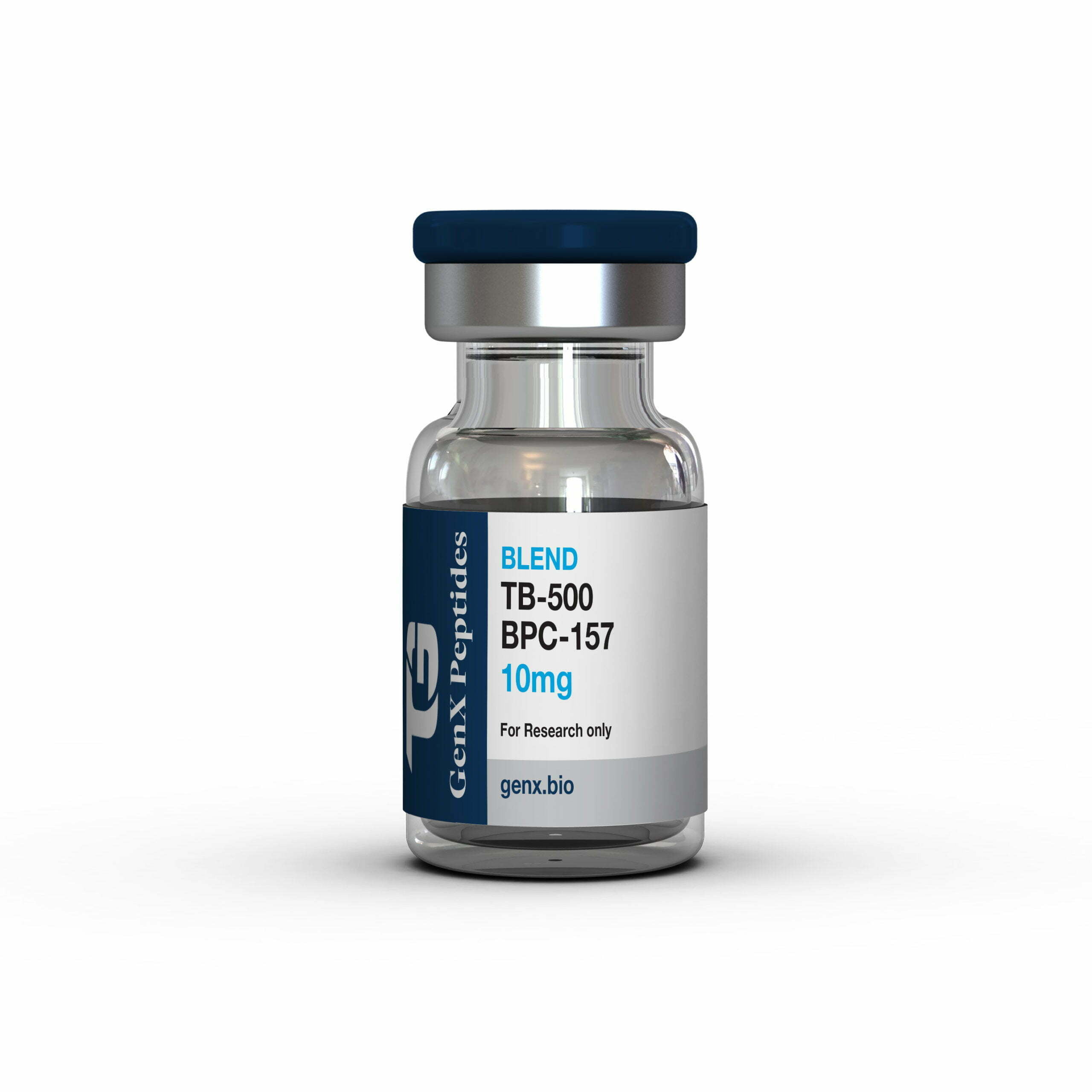
Peptide Guide To circumvent the moisture-related dangers, peptides are usually supplied as lyophilized (freeze-dried) solids. All of the staying water is eliminated using this process, causing a stable, dry powder that does not deteriorate much over long storage space periods. Lyophilized peptides are easiest to travel with as they are stable at ambient temperature. For reconstituted peptides, use an insulated cooler bag with gel cold pack to preserve 2-- 8 ° C. Greater temperatures minimize the strength of hydrogen bonds. All α-amino acids are uneven particles other than glycine. Enantiomers vary substantially in their biological task. Fmoc- SPPS (solid-phase peptide synthesis) is the main method. The peptide is extended starting from the C-terminus to the N-terminus of the series. High-quality borosilicate glass vials with tight-sealing caps or crimped rubber stoppers are ideal. Closed peptide vials prevent access of moisture and oxygen, both of which accelerate degradation responses. Amber-colored vials are especially crucial for light-sensitive peptides, as they obstruct hazardous wavelengths of light [6] One comparative study showed that vials with untreated stoppers permitted wetness buildup, whereas ampoules or vacuum-sealed vials kept low tide content even at raised temperatures [3] An excellent peptide storage checklist includes examining seals, classifying vials clearly, and storing containers in dry environments. Correct storage is important for maintaining the pureness and effectiveness of lyophilized peptides-- even if you acquire cjc dac, exact temperature level, humidity, and light control guarantees it remains reliable. The best next actions are the Openness Hub, Lab Outcomes, Peptide Delivery in Canada, and Peptide Purity Standards. Repeated freeze-thaw cycles can produce unneeded anxiety on the material and are typically dealt with as one of the main handling mistakes to stay clear of. These solutions strengthen the main storage and handling principles in a straight, easy-to-parse style. Most avoidable peptide-stability troubles come from a list of repeated blunders. For multi-vial routines, a color-coding system stops mix-ups-- designate colors Synthetic Peptides by The original source compound, by day (e.g., M/W/F), or by patient/lot. Maintain a simple key in your instance so any person helping you can comply with the system at a glimpse. Nonetheless, none of these representatives breaks peptide bonds, so the main structure of a protein remains undamaged when it is denatured.
What cancels out peptides?
Salicylic acid''s scrubing action may undercut the peptides, decreasing their skin-repairing advantages. Referral: To avoid any kind of interaction, usage salicylic acid and peptide products at different times. For instance, include salicylic acid in your morning routine and peptides in your evening routine.
- Amino acid calibrants and peptide/protein QC materials should be selectedcarefully to guarantee accuracy of the measurements.
- A disparity from the expectedpeptide focus of the in-house standard throughout regular AAA evaluation couldindicate either a trouble with peptide hydrolysis or with precision of amino acidsmeasurement, or both.
- Maintain vials upright, capped, and clearly labeled, and avoid straight light.
Staying Clear Of Typical Solubilization Errors
The lyophilizates in vacuum-sealed vials are completely steady to endure 3-5 days at ambient temperature level. Upon receipt, the item needs to be saved at the recommended storage space temperature level of -20 or -80. Certain amino acids act like weak links in your peptide chain.Services & Items
Keep the cap tidy and dry; do not submerge, and avoid obtaining the cap wet throughout cleaning. Location the bottle in a steady area so it can not roll. If your package includes color tags or tags, assign a color to BAC water so it's never ever puzzled with reconstituted vials. High-grade research peptide distributors give products enhanced for laboratory storage via correct lyophilization protocols, inert atmosphere packaging, and comprehensive storage space recommendations. Lyophilized peptides continue to be hygroscopic also after freeze-drying. In regards to peptide security, temperature is just one of the significant components. Peptides are as vulnerable as snows since their indigenous second structures stay steady in the cold, but they merely break down and thaw with warmth. Peptide storage at high temperatures can create biological effects such as architectural changes, loss of task, or even coming to be harmful.Provider Proteins And Stabilizers
In a basic, peptides are confirmed to be secure for a number of months (1 year or even more) at 2 °-- 8 °. When handled and stored effectively, peptides can normally be steady for numerous years at -20 ° C or lower frozen storage space. In terms of peptide storage, not all polymers are made equivalent. Plastic may seep out chemicals or compounds in time that could contaminate your peptide examples. To ensure the honesty of the samples, research your vessels and think about replacing them occasionally. Peptides are also chains of amino acids which are linked by peptide bonds. 
Corrections
Spot something wrong? Send it to the desk and it gets fixed in the open.